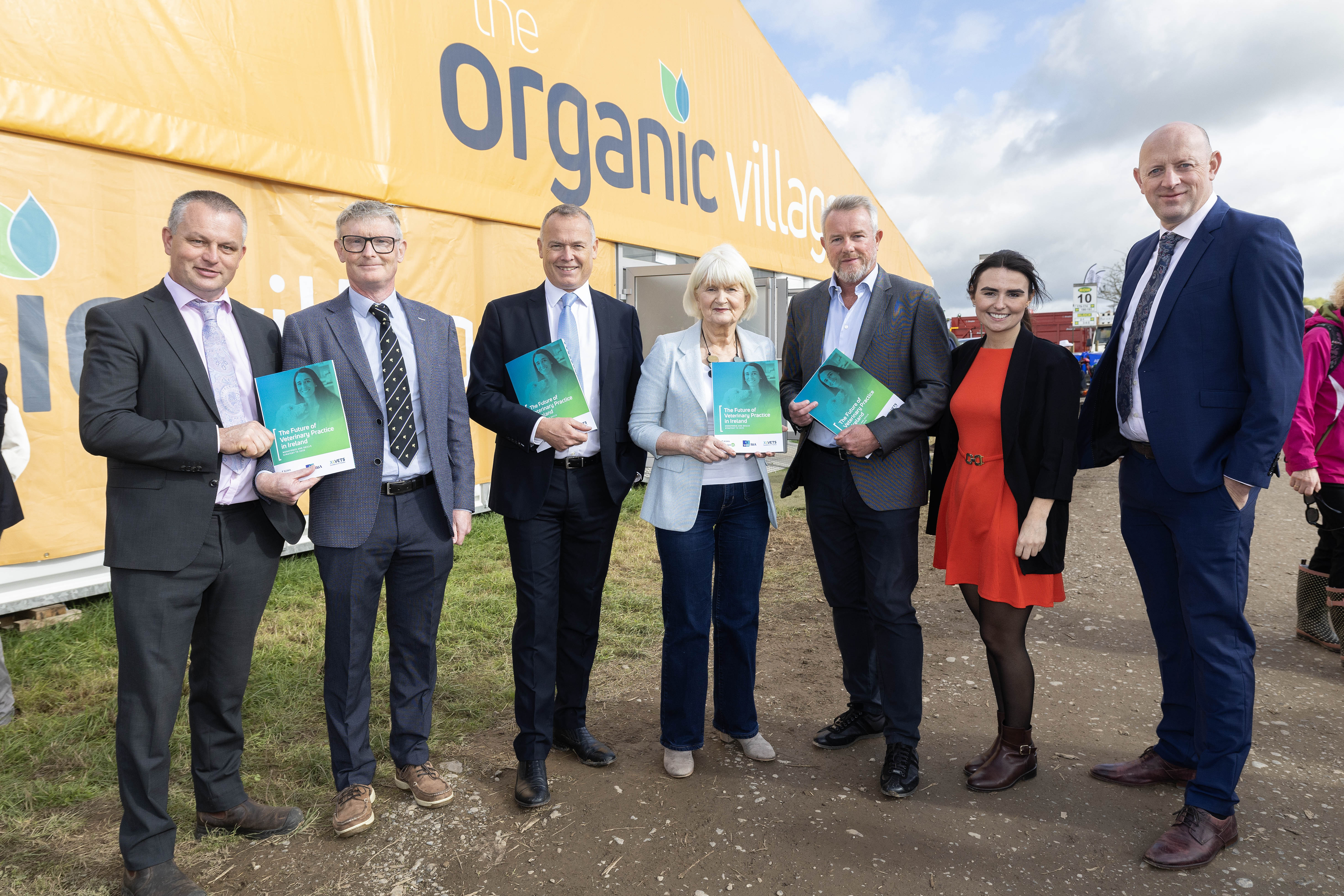

A new report from XLVets Skillnet finds that workforce development will be critical for the long-term sustainability, competitiveness and resilience of Ireland's veterinary profession over the next decade.
The report, entitled The Future of Veterinary Practice in Ireland: Workforce and Skills Strategy to 2035, provides an evidence-based roadmap to help the veterinary sector respond to emerging workforce challenges and opportunities.
Developed by Ipsos B&A on behalf of XLVets Skillnet, the research examines the future trajectory of the profession, identifying the skills, leadership and workforce capabilities required to support independent veterinary practices and strengthen the sector's contribution to Ireland's agri-food economy.
The findings highlight that the profession is navigating significant change, including evolving workforce expectations, technological advancements, succession planning challenges, and increasing demands on veterinary services. The report concludes that strategic investment in workforce development will be essential if practices are to remain viable and competitive while continuing to deliver vital services to farmers, rural communities and the wider economy.
Minister of State Marian Harkin TD, highlighted the important role veterinary professionals play in supporting animal health and welfare, saying, “Veterinary professionals make an enormous contribution to Irish society, supporting animal health and welfare, assisting farmers, and helping to maintain the strength and reputation of our agri-food sector. As we gather at the National Ploughing Championships, it is important to recognise both the value of their work and the importance of ensuring the profession is equipped to meet future challenges. This research highlights the evolving skills and workforce needs of the veterinary sector, as well as the opportunities to enhance its long-term sustainability and competitiveness. I welcome Skillnet Ireland’s continued commitment to supporting the development of the profession through targeted investment in skills and workforce capability. This support will help veterinary practices and professionals build the leadership capacity, resilience and expertise needed to adapt to a changing environment and continue delivering vital services to farmers, rural communities and the wider economy. By investing in people and skills, we are helping to ensure that the veterinary sector remains strong, sustainable and well-positioned to support Ireland’s agricultural success in the years ahead.”
According to the report, the future success of the veterinary profession will depend on its ability to strengthen leadership capability, attract and retain talent, support rural and large animal practice, modernise clinical delivery models and adopt new technologies.
The research identifies six strategic workforce development priorities for the sector:
-
Leadership, ownership and workforce sustainability
-
Talent attraction, retention and career development
-
Rural and large animal practice sustainability
-
Business resilience and competitiveness
-
Modernising clinical delivery through team-based practice
-
Digital transformation, sustainability and future-ready skills
Commenting on the findings, Mark Jordan, Chief Executive of Skillnet Ireland, said “This research demonstrates the value of workforce development in helping enterprises respond to adapt and build long-term resilience. As workforce expectations evolve, technology advances and the business landscape becomes more complex, investment in skills is essential to supporting enterprise sustainability and competitiveness. XLVets Skillnet is supporting an industry-led approach to upskilling that will help veterinary practices adapt, grow and compete into the future.”
The report also identifies a range of emerging capability requirements across the profession, including succession planning, mentoring, graduate transition support, financial planning, governance, advisory communication, sustainability literacy, data analytics and AI adoption. It highlights the growing importance of One Health approaches that recognise the connection between human, animal and environmental health.
According to the research, successful implementation of the strategy by 2035 would lead to improved staff retention, stronger ownership readiness, greater adoption of team-based care models, enhanced engagement in large animal advisory services and increased confidence in AI and digital technologies across the profession.
XLVets Skillnet, said the research provides a practical strategy to support the continued evolution of independent veterinary practice, helping to strengthen leadership, workforce capability and future-ready skills across the sector.
The report concludes that with coordinated action and sustained investment in skills, Ireland's veterinary profession can continue to modernise, remain independent and play a significant role in supporting animal health, agriculture and national resilience through 2035 and beyond.
The complete report, The Future of Veterinary Practice in Ireland: Workforce and Skills Strategy to 2035, is available to download here The Future of Veterinary Practice in Ireland Workforce and Skills Strategy to 2035.